
Introduction
I am a holistic nutrition therapist with a lifelong passion for health and wellness. My journey into the world of nutrition began at the age of twelve when I first discovered the nutrition books my mother kept at our home. Those books sparked a curiosity that I found very exciting, and it really kept me interested in the field of health and urged me to keep learning about new adventures that the health field had to offer with a commitment that has stayed with me to this day.

Over the years, I have raised two children, ensuring they were brought up with homemade food with lots of nutrients, herbs, acidophilus, and nut milk, to name a few—long before these became popular trends. That was 36 years ago, a time when the idea of nutrition was vastly different from what it is today. My early belief in the power of nutrition to influence health has only strengthened with time.
As I delved deeper into the holistic approach to health, I found myself increasingly fascinated by the microbiome—the vast community of microorganisms that inhabit our bodies and play a crucial role in our overall well-being. This fascination has led me to explore the intricate connections between diet, brain health, and our microbiome
The changes in the field of nutrition over the past few decades have been a wake-up call to many. New research and discoveries continue to shed light on how important our dietary choices are to our health. I am excited to be part of this ever-evolving field, applying both time-tested wisdom and cutting-edge science to help others achieve optimal health.
My dedication to nutrition and holistic health has been a lifelong journey, driven by personal experience and a deep belief in the healing power of food. As I continue to learn and grow in this field, I am committed to sharing my knowledge and helping others navigate their own paths to wellness, always with an eye on the incredible influence of the microbiome.
What is the Microbiome?
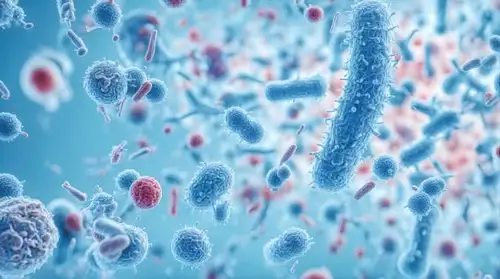
The Microbiome is the community of microorganisms that co-exist with a host.1 Humans and the microbiota that we harbor have coevolved over millions of years constituting a superorganism. In the gut alone the number of microbial cells to human cells is10:1. The human microbiome has been evaluated to be 100X greater than the human genome. This diverse microbiome expands the host genome helping code for proteins that human DNA doesn’t have and makes a variety of enzymes critical to human metabolism contributing to regulating physical body maintenance.4
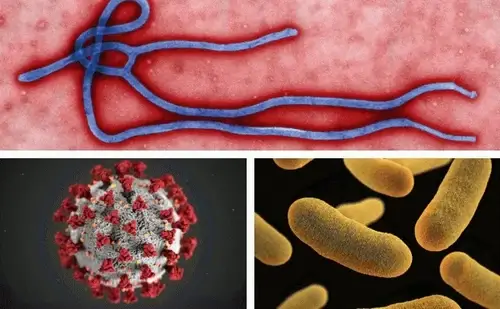
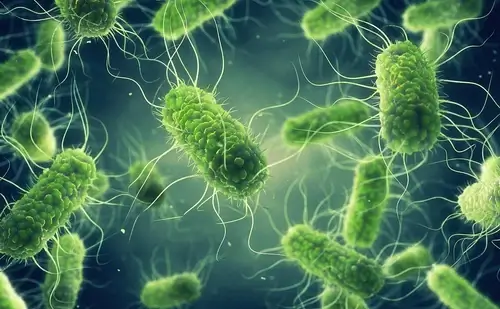
The human microbiota is composed of many single celled organisms such as bacteria, archaea (organism that lacks a nucleus), viruses, protozoa, fungi and more than 10,000 species in total with the vast amount being bacteria. Many emergent diseases are related to the loss of part of this microbiome, and it can be restored by different strategies.6 Gut microbiome imbalance is associated with many inflammatory, immune and nervous system related diseases by a communication pathway called gut brain connection.1
Most diversity and quantity of microbiota live in the colon with bacteria from two major groups sharing fundamental characteristics including Firmicutes, Bacteroidetes, Actinobacteria and Proteobacteria being most abundant. Other areas in the body that house microbiota is the oral cavity, genitourinary tract, the skin, respiratory tract and the gastrointestinal tract. Every person has a unique microbiota but there is consistency in the types common to humans. Three groups of microbiotas are Commensal (the good bacteria) Opportunistic, typically don’t cause harm in healthy people, and Pathogenic (bad bacteria). The creation of and the amount of gut microbiome starts in the birth canal and through mother’s breast milk, but any changes in the numbers depends mainly on the species found in the mother. Down the road environmental exposures and diet can either be helpful or put one at greater risk for disease. When there is an imbalance in the composition of the microbiota there can be a decrease in beneficial bacteria and an increase harmful bacterium which is called dysbiosis and it can pose various health Issues.11
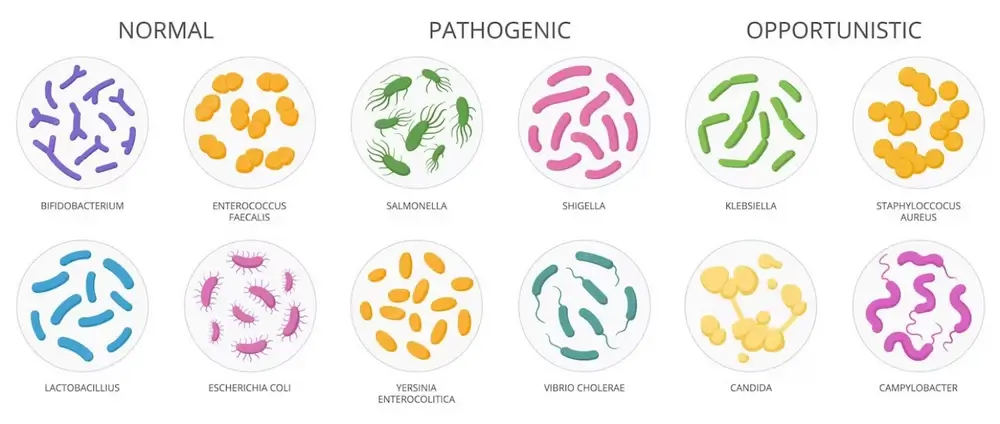
In a healthy body Pathogenic and symbiotic Microbiota coexist without problems. Dysbiosis is a disruption in that balance caused by infectious illness, unhealthy diet or the overuse of antibiotics or other bacteria destroying medications stopping normal interactions and the body can be more susceptible to disease.
The Gut Brain Connection
Nothing in your body occurs on its own, what happens in your gut affects your whole body.8 The gut brain connection is a mind and body connection which has been ignored in western civilization for years and now has been rediscovered and realized for its inter connectiveness in microbiome science.8 Microbiome science helps change the way we look at gut health, brain health and the connection for much of the chronic disease that faces humanity.
Within the last 15 years human gut microbiome research has erupted to great lengths. The gastrointestinal tract was thought of as merely just a digestive organ and now science, with new technologies have realized the impact that gut microbiota may have on human health and disease.4 The microorganisms that live in your gut play an essential role throughout the entire body. Your metabolism, your heart, and others but most importantly your brain are affected by these microbes. Your thoughts and emotions in your brain can affect the digestive system and therefore affect your physical and mental health.5 Hence the total mind and body, and the gut brain connection.
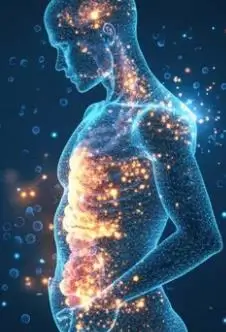
There are recent findings showing that microbiota is important in normal brain function. The importance of a microbiota gut brain axis to describe the complex networks and relationship between the gastrointestinal microbiota and host reflects a major influence this environment may have in brain health and disorders of the central nervous system.6 The question is…Are microbes influencing our feelings and emotions or are feelings and emotions influencing our gut microbes? As we move through this information we can get a better idea of the possible answer to that dilemma.
Disturbance of the gut microbe community have already been linked to many known diseases such as obesity, diabetes and inflammation and recently there is evidence that the gut brain connection plays a potential role in neuropsychiatric disorders such as depression and anxiety.6 Some experts could actually find out if a patient suffered from depression by simply looking at the microbiota in their gut.7 Microbes produce serotonin which affects brain function and is called the “feel good “ chemical so when there are lower levels of this neurotransmitter depression can occur.8 Also if there are lower levels of serotonin it can affect your quality of sleep which is very important for a healthy microbiome. It is getting clearer that the gut brain connection is a 2-way street.
The HPA axis or Hypothalamus, pituitary gland and adrenal cortex is a neuroendocrine system that controls your body’s reaction to stress and helps regulate other processes of the body such as digestion, immune responses, mood, emotions and energy storage and expenditure.9 During an immune response proinflammatory cytokines are released into the blood stream and can pass through the brain and then activate the HPA axis which can change the activity of the neurotransmitters and cause depression and mood changes among other issues. Cognitive function in human beings depends on the association between many body systems including the HPA axis. The microbiota gut brain axis 2 way signaling pathway works through neural, immune and metabolic pathways but stress can have a strong impact on the microbiota via the HPA axis which can once again have an influence on emotions and depression.10
Defense Against Pathogens
The gut capabilities surpass all your other organs and even compete with the brain. The gut has its own nervous system known scientifically as the enteric nervous system (ENS), which can be called the second brain. It is made up of 50-100 million nerve cells, just as many as in your spinal cord.8 ENS plays a role in gut immunity by modulating immune cell activity.
The largest part of your body’s immune system resides in your gut. There are more immune cells living in the wall of your gut than circulating in your blood or bone marrow. The reason for the many cells in your gut is because it is exposed to many likely lethal microbes contained in what we eat.2 The microbiome defense system can identify and destroy species of bacterial attacks that enter our digestive system when we come in contact with pathogens. Bacteria release autoinducers which are cell-to-cell communication that are sensed by other bacteria. When the bacteria increase in population there is an increase in communication, and they work together to kill off pathogens.13 It is amazing how the microbiome can recognize pathogens out of billions of other good bacteria and destroy them so we can get back to a good balance and be in harmony in our gut.
The human body hosts trillions of microorganisms at the level of the skin and mucous membranes which build a complex microbial community with metabolic and immune functions that are essential for survival of the human organism.12
Extracting Nutrients from Food
The gut microbiome extracts nutrients from food by using bacteria that can break down complex carbohydrates and fiber into a simpler form such as glucose and short chain fatty acids, (SCFA). SCFAs are primary regulators of homeostasis of the colon, stimulating the growth of epithelial cells, maintenance of mucosal integrity and decreasing inflammation. The bacteria produce enzymes that break down proteins, some fat and carbohydrates in the colon which release nutrients and metabolites that humans can’t digest on their own. Metabolites can help nutrient absorption and utilization. Specific gut bacteria can also improve the bioavailability of nutrients.
The gut microbiome is like a secondary digestive system, helping extract nutrients from food that they wouldn’t be able to digest otherwise. These activities have a great impact on overall health and well-being.
Some evidence suggests that the gut microbiome also plays an important role in the harvest, storage and expenditure of energy obtained from the food.14
The stomach and small intestine digest and absorb most nutrients in humans, 85% of carbohydrates, 66-95% of proteins and most fat is absorbed in the small intestine.2 The carbs and proteins that the colon receive are about 10-30% ingested energy and would just be eliminated via the stool but the microbes in the colon get a chance to absorb more nutrients that otherwise would be lost.14
Food and Habits That Promote a Healthy Gut
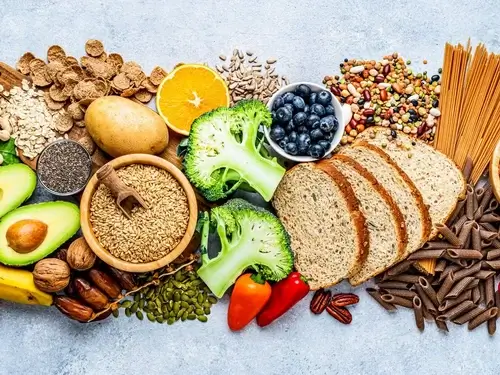
Diet rapidly alters the human gut microbiome.1 What you eat is one of the most impactful ways to influence microbiota growth and stability. Childhood diet has a major impact on lifelong health benefits.
The modern American diet has had negative effects on the microbiota. Some key features include High intake of refined grains, oils and sugar, low intake of whole grains and legumes, low intake of leafy greens and low micronutrient content. Toxin exposure from industrial farming with fertilizer, pesticides and glyphosate (worlds most used herbicide and associated with dysbiosis) and high intake of trans fatty acids create inflammation. Fast food restaurants are a daily habit for our population, consuming foods with preservatives, bad quality oils and low-quality food. All these items create increased risk for many chronic diseases including diabetes, obesity and cardiovascular disease. Overuse of antibiotics is associated with significant changes in the microbiome which can cause dysbiosis as well.
The key to help reset your gut and metabolism is to focus on a holistic approach that includes dietary changes and lifestyle adjustments.16 Here are some suggestions to get you on the right track for a healthier you.
Increase fiber intake
Fiber is a prebiotic, the perfect food to feed microbes! Without fiber microbes feed on other undigested food like protein which can leave you constipated and bloated! Yuck! Fiber keeps your bathroom visits regular, helps get rid of toxins, regulates blood sugar and lowers cholesterol! Isn’t that great!
Here are some excellent fiber suggestions:
- Raw unsalted walnuts (soaking them overnight helps aid in digestion and nutrient absorption) They are also high in omega 3 fatty acids among other great benefits.
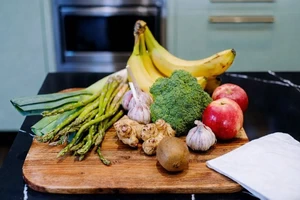
- Broccoli is loaded with Vitamin C and K and also high in iron. You can eat it raw with hummus or roast it with some parmesan cheese. Yum!
- Macadamia nuts are low in carbs and sugar and are loaded with antioxidants and essential nutrients. They are great added to salads.
- Apples can lower inflammation and blood pressure and are full of antioxidants and they support brain health. How about dipping in some almond butter?
- Radishes are a great source of Vitamins C, B, potassium and calcium as well. They top off a salad with a nice bright color.
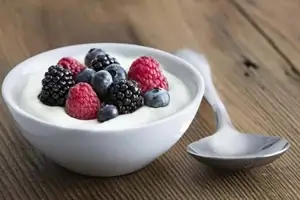
- Blueberries get their color from anthocyanin a phytochemical that has anti-inflammatory properties, improves heart health due to high antioxidant levels. How about topping them with some whole fat organic yogurt?
You get the idea from these great choices to get you started by eating more fiber.
Include probiotics and prebiotics
- Eat probiotics foods like organic whole milk yogurt or preferably your own homemade yogurt that you ferment for 24 to 36 hours that are loaded with microbes to feed your gut.
- Kefir is a fermented milk like a thin yogurt with good bacteria strains that can improve your microbiota. Plain whole milk kefir is highly recommended.
- Fermented vegetables such as kimchi, sauerkraut and pickles are very positive for the gut microbiome. They increase the diversity of microbes and can decrease inflammation. They also provide fiber which acts as a prebiotic and the fermentation predigests the food, so it is easy on the digestion process.
- Hard cheeses like cheddar, gouda and parmesan can increase the microbes in the gut. The aging process can kill off harmful pathogens while allowing beneficial bacteria to live.

Limit Processed food and Sugar
Processed food and added sugar reduces the gut microbiome which then interacts with the immune system and contribute to inflammation due to refined carbohydrates, unhealthy oils and trans fatty acids.9 Preparing your own meals allows you to control the ingredients and reduces the number of processed foods you consume.

Eat a Variety of Plant foods and Healthy Fats
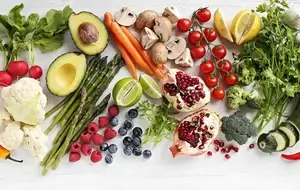
When eating for your gut microbiome include a wide range of fruits and vegetables. Brightly colored fruit contains compounds called phytonutrients which support a healthy gut microbiome by influencing the activity of gut bacteria and are a very important part of good health and wellbeing.3 Examples are tomatoes, carrots, squash, citrus fruits, berries and presents in dark leafy greens such as spinach, kale, onion, leeks and garlic. Include healthy fats like olive oil and avocados and fatty fish in your diet as well.
Manage Stress
Chronic stress can alter the composition and diversity of gut bacteria by increasing harmful bacteria and decreasing beneficial ones. This out of balance situation can cause gastrointestinal issues like IBS and IBD.7 When stress is experienced the body releases hormones like cortisol which can affect intestinal permeability and nutrient availability.7 Check into yoga or meditation classes to help reduce stress.

Prioritize Sleep
Negative factors from modern lifestyles such as late-night eating, artificial light during nighttime hours and irregular sleep wake cycles can affect our sleep quality. This in turn can influence our microbiome. This can increase levels of pro inflammatory compounds and raise stress levels which can lead to intestinal permeability or leaky gut.5 Changing some of the items listed above and below can help you sleep better and by improving your gut microbiome sleep should become easier.

Regular Physical Activity
Exercise is one of the most powerful ways to improve your overall health, especially gut health. You don’t need a strenuous fitness routine to keep your digestive tract in shape, taking a long walk is very beneficial to your digestive system. Exercise makes your gut contractions (peristalsis) more powerful which can lead to better bowel movements to remove waste from your body and not disrupt your microbiome.

Hydration
Drink plenty of water daily to support digestion and overall health.
Consult With a Health Care Professional
If you have persistent digestive issues consult a doctor or a nutrition expert for personalized recommendations.
Conclusion
The microbiome and its link with human health and disease is fascinating. The inter and intracellular molecular networks between humans and microbes continue to be explored and understood.
The information in the book is just the tip of the iceberg when it comes to all the influences that microbiome has on the human body. From digestion and nutrient absorption to mood, metabolism and also the immune system.

The gut brain connection motivated by the bloodstream and nervous system teaches us how gut microbes can affect brain function and behavior. People make some of their most important decisions based on their gut feelings. Our lifestyle and how we take care of our bodies affect our decision making and emotions. It affects our entire state of being. Microbiome science has studied the positive influence probiotics have on negative emotional feelings.
Scientists are still learning about the gut brain connection but for now we know that the food we eat, the amount of physical activity we do, the amount of sleep we get, all have a powerful impact on our overall gut health.
The more we educate ourselves about the human body and the microbiome, the easier it is to start to make the changes necessary to feel our best and live a better lifestyle. Live our “Best Life”. There will always be excuses to put it off like the most popular are “I am so busy “that’s why I pull up to a drive thru to get my meal or “I just don’t have time” to cook or prepare a healthy lunch instead of getting fast food. It all has to do with lifestyle changes and sometimes you just have to take baby steps. It doesn’t have to change overnight all at once. You don’t have to stress about it, just get started. You and your gut will be happy you did. Rome wasn’t built in a day! You got this!
Joy comes out of positive change.
References
- E.Salvucci - PubMed The Human Microbiome Superorganism 3/7/2019
- Eman Zakaria Goman -PubMed Human Gut microbiota 11/2/2020
- The Nutrition Source
- Emmy Bawman – PubMed Gut Microbiome what we know and don’t know
- Michael Salbaum -Harnessing gut microbes for mental health
- Ryan reader- PubMed Microbes and mental health 2017
- Hans Selye- Wikipedia Stress without distress 1974
- Emeran Mayer – The brain gut connection
- William Davis-Super Gut
- Karen Anne Mcvey Nusfeld -Gut Brain axis anxiety and depression 2016
- Umass Med -Protection against pathogens
- Lin & Zhang – Pathology and the Microbiome 2017
- Simonea Jacob –Frontiers of Microbiology 2019
- Rosa Krajmalink - Effects of Microbes on Nutrient absorption and energy
- Genome Medicine – Journal of Endocrinology